
Spam Text Lawyer California helps consumers and gig economy workers navigate and combat unwanted text messages from lawyers and scammers, protecting privacy, preventing productivity losses, and recovering financial damage caused by fraudulent links and services. Specialized legal action against spammers is crucial under California laws designed to safeguard residents from excessive telemarketing.
In California's thriving freelance and gig economy, spam texts pose a persistent challenge. This article delves into the impact of unwanted text messages on workers' time, productivity, and even finances. We explore the legal perspective from a spam text lawyer in California, highlighting the risks and potential losses involved. Furthermore, we discuss strategies for protection and solutions to mitigate these pervasive interruptions, focusing on legal actions that safeguard California's gig economy workers.
Understanding Spam Texts: A Legal Perspective

Impact on Freelance Workers' Time and Productivity

Spam texts can significantly disrupt the workflow of freelance and gig economy workers in California, leading to a substantial loss in productivity. These unsolicited messages, often containing advertising or promotional content, are not only annoying but also take up valuable time that could be spent on productive tasks. In an industry where every minute counts, even brief interruptions can pile up and hinder workers' ability to meet deadlines, maintain client satisfaction, and secure new opportunities.
Freelance workers may spend a considerable amount of time filtering through spam texts, deleting or responding to them, which diverts their focus from core responsibilities. This not only reduces overall productivity but also increases stress levels, impacting the quality of work they deliver. Engaging with spam messages can be particularly problematic for those working on tight deadlines or managing multiple projects simultaneously, as even a few minutes wasted on these texts can have cascading effects throughout their day.
Financial Losses: When Spam Meets Gig Economy

Spam texts, while a nuisance for anyone, can have a significant financial impact on California's freelance and gig economy workers. These unsolicited messages often contain links to fraudulent websites or promote dubious services, leading to potential loss of money and time for those who interact with them. When a gig worker clicks on a malicious link or engages with a spammer, it could result in their personal information being compromised or even direct financial losses.
Hiring a Spam Text Lawyer California can be a necessary step for workers affected by this issue. Legal experts specialized in such cases can help identify the sources of spam and take appropriate measures to stop them. They can also assist in recovering losses incurred due to fraudulent activities stemming from spam texts, providing much-needed support to workers navigating these digital challenges in California's thriving gig economy.
Protecting Workers: Legal Action and Solutions
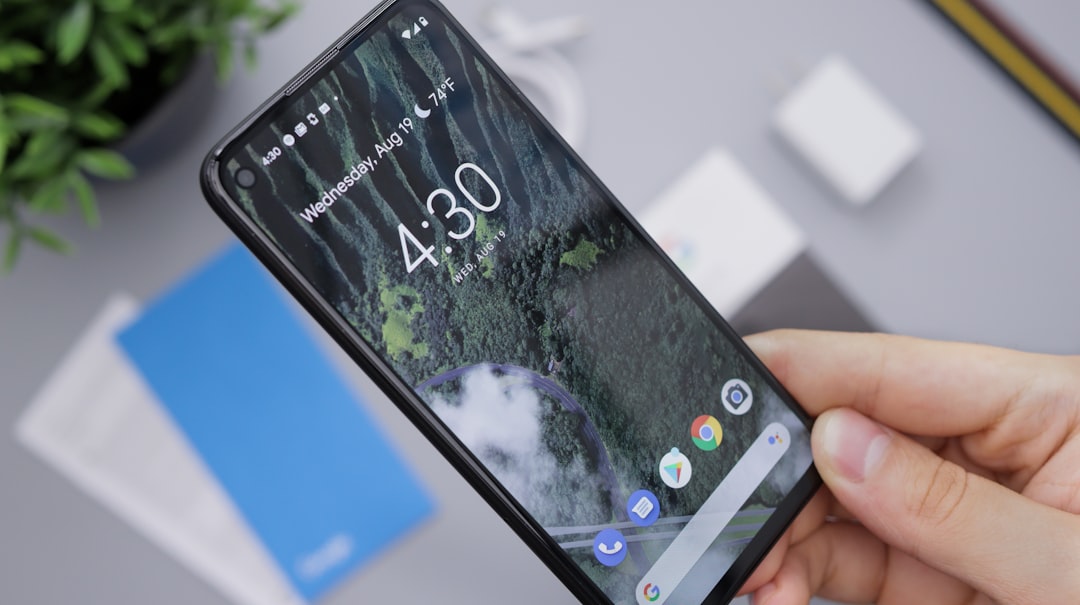
In response to the deluge of spam texts inundating California's freelance and gig economy workers, legal action emerges as a crucial solution. Many states, including California, have enacted laws designed to protect consumers from unwanted telemarketing calls and texts, with penalties for businesses that violate these regulations. Workers can leverage these legal frameworks to hold spasms accountable and seek compensation for any resulting harm or loss of income.
Spam text lawyer California plays a pivotal role in this regard, offering expertise in navigating complex legal terrain. These attorneys assist workers in understanding their rights, filing complaints with relevant authorities, and potentially pursuing litigation against persistent spamming operations. By taking proactive measures and enlisting the help of legal professionals, California's freelance workforce can better defend themselves against unsolicited and intrusive messaging, fostering a more secure and fair environment for all gig economy participants.